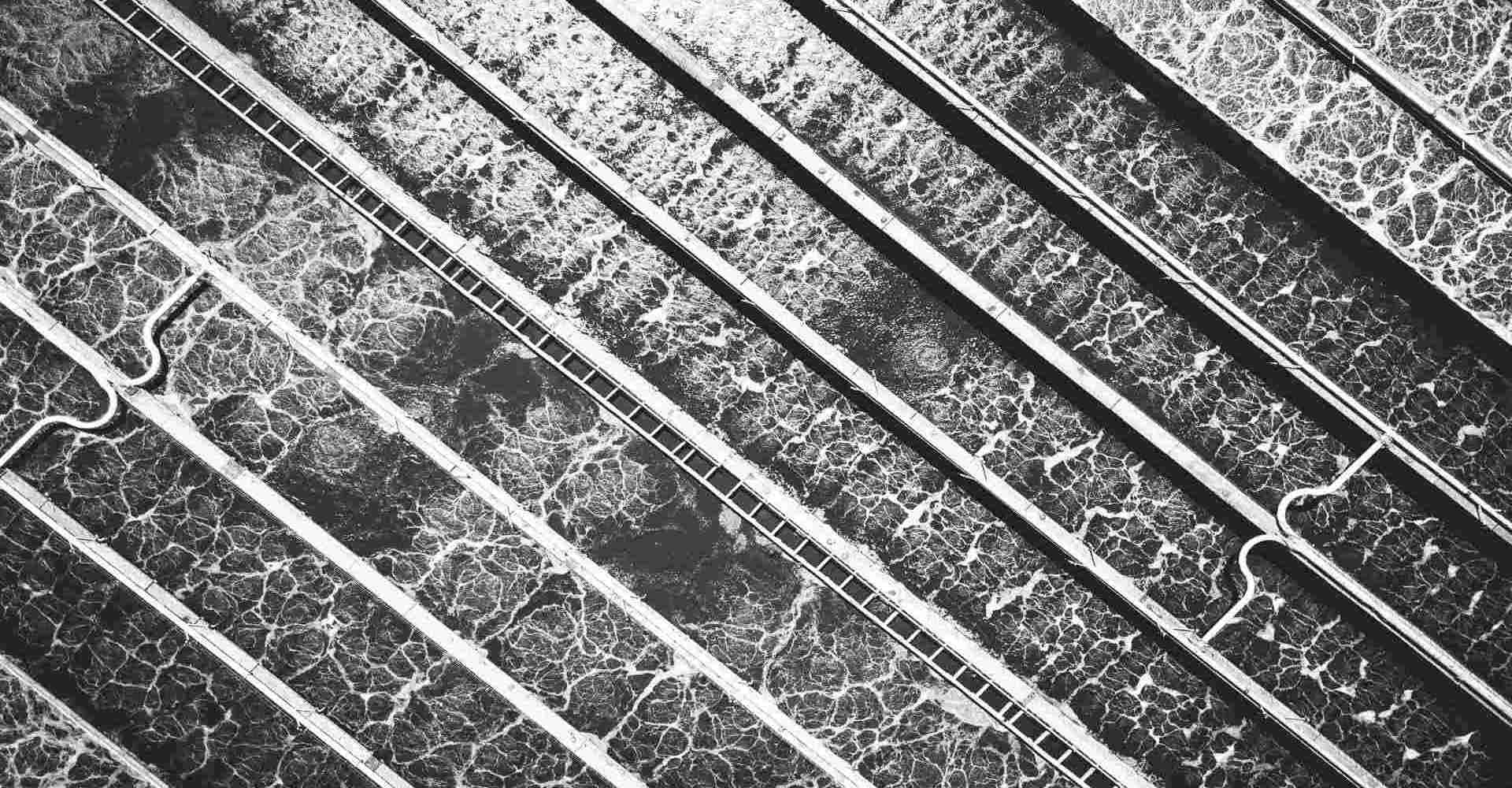
The Covid 19 pandemic has forced the world to change the way we live, work, travel and interact with each other over a very short time period. The resulting changes to the global climate of cleaner air, a slowing down of ozone damage and in some places repair, has clearly identified the significant impact our lifestyle has had on our entire planet. The recent lockdowns have given us absolute proof that the need for the international agendas on climate change is real.
The worldwide shift has also led to a renewed understanding of the true value of the planet’s water resources, and further highlighted the need to treat the water cycle and its capital assets as the valuable healthcare network resource that they are. Scientists now understand wastewater based epidemiology can be used to track and pinpoint Corona Virus in local areas with information gathered from local wastewater treatment plants, allowing proactive action to be taken with local communities for their protection and the protection of their local NHS health providers.
Many people will be unaware that wastewater treatment is a critical side to our water networks. Wastewater treatment is a very fine biological ecosystem balance, requiring to be maintained efficiently to care for the bacteria that clean our waste from the water. We have to ensure that the bacteria’s living conditions are of an optimal standard to efficiently treat the waste. Anything flowing into the WWTP and affecting the bacteria’s normal ecosystem can have severe impacts. Certain industrial wastes could wipe out all the bacteria, leaving the waste to go untreated and other wastes making it unpleasant conditions, leaving the bacteria unable to clean the water to the level that is required. Another environmental impact from wastewater aeration is the high energy consumption and carbon footprint required to carry out this task. Now that energy consumption is under such scrutiny, it means we have to look for greater energy reducing solutions, whilst achieving higher compliance standards.
Traditional plant control has focused on MLSS, ammonia and DO measurements, but these do not directly inform us of the health of the bacteria. A more accurate and effective method is measuring OUR – (Oxygen Uptake Rate). OUR is the combined measurement of BOD (Biological Oxygen Demand) and ammonia consumption. OUR is a measurement of the oxygen consumption by the bacteria while they are biodegrading the available BOD and ammonia. OUR is therefore the truest form of measuring bacterial activity, but the instrumentation to achieve this was sorely lacking, due to the harsh WWTP environmental conditions … until now. The patented movement of the ASP-Con ensures no ragging and continuous cleaning of the sensors to give the accurate results that are needed to measure OUR.
Optimising your WWTP using OUR can also positively impact your energy consumption yielding 18% – 50% aeration reduction, improved capacity and furthermore improving compliance.
To meet the ever-tightening environment goals, we need to find newer solutions and therefore must have an openness to newer technologies or technological advances. All industries are having to embrace the impending climate crisis in everything they do. Who would have believed the shift change from diesel to electric cars in such a short-time scale – outlawing petrol and diesel cars by 2030! The water industry has infinitely more difficult challenges ahead as water is one of the most valuable resources on the planet, which is why it is so highly regulated, and in turn, innovations and newer technological advances are understandably put under significant scrutiny.
The activated sludge process has been operational for over 100 years with many significant developments but there is now an opportunity to significantly improve this process. The pandemic has put the spotlight on this crucial part of the water cycle. Strathkelvin Instruments have been the leading OUR Respirometry Instrumentation Provider for over the last 20 years, our equipment has been used to measure the effects on the actual bacteria, originally the instrumentation was designed for the Medical Sector, but by using the same principals and methodology, Strathkelvin have successfully transferred this expertise to the Wastewater Sector.
Strathkelvin know how necessary it is to look after our treatment plants and especially the Bugs!
The ASP-Con has been tried, tested and perfected over the last 8 years. The ASP-Con is sited in the actual WWTP and monitors 24/7 in Real-Time, streamlining 20 crucial parameters into one bespoke software analytics package, that can be integrated easily into any site’s Control System, with the ability to remotely access and interrogate this data. Being able to remotely monitor sites without putting Operators in harm’s way. The ASP-Con system not only measures loading but also measures the Health of your Bacteria and the impact the influent has on them, immediately. ASP-Con’s biggest project so far has been with NI Water. The ASP-Con is now controlling 7 of NI Water’s sites, with more to come.
Michael Dooley, Strathkelvin’s Managing Director, has used his acknowledged reputation for unique WWTP troubleshooting into creating this unique game changing instrument and truly believes “The best way to control a WWTP is with OUR respirometry and that the best way to control OUR respirometry is with an ASP-Con” .